



Modern motorcycle racing has evolved into a discipline where engineering excellence and rider skill are inseparable. Championships such as MotoGP, World Superbike (WSBK), and the British Superbike Championship (BSB) now operate at the intersection of physics, software, and biomechanics.
Performance gains no longer rely solely on bravery or throttle control, but on how effectively teams integrate aerodynamics, electronics, tire science, and real-time data. This article examines how technology is redefining speed, safety, and strategy across elite motorcycle racing, focusing on the continuous performance evolution driven by innovation.
The Digital Revolution in Motorcycle Racing Performance
Motorcycle racing has undergone a decisive shift from mechanical intuition to digital precision. Modern race bikes are equipped with sophisticated control units that process thousands of inputs per second, transforming every lap into a stream of actionable data. In MotoGP, WSBK, and BSB, engineers rely on this digital ecosystem to refine suspension behavior, throttle response, braking efficiency, and overall balance. This technological revolution has reshaped how performance is developed, emphasizing repeatability, predictability, and race-long consistency rather than isolated moments of speed.
The digital approach allows teams to correlate rider feedback with objective metrics, ensuring that adjustments are grounded in measurable outcomes. Small setup changes are validated through lap-time deltas, corner-entry stability, and tire stress indicators, reducing guesswork and increasing confidence in race-day decisions.
IMU-Based Stability Control in MotoGP
Inertial Measurement Units have become foundational to modern MotoGP performance. These compact yet powerful sensors track lean angle, acceleration forces, pitch, roll, and yaw in real time, providing the electronic control unit with a complete understanding of the bike’s dynamic state. MotoGP’s standardized IMU regulations ensure competitive balance while still allowing teams to tailor software strategies around rider preference and circuit demands.
IMU-based stability control plays a critical role during extreme lean angles and aggressive acceleration phases. By managing traction and wheelie behavior with surgical precision, the system enables riders to exploit available grip without exceeding physical limits. Rather than diluting rider skill, this technology rewards precision and consistency, allowing elite riders to push closer to the edge with greater confidence.
Advanced Electronic Rider Aids and Race Consistency
Electronic rider aids have become indispensable for maintaining competitive pace over full race distances. Traction control, launch control, engine braking systems, and anti-wheelie maps are continuously refined to adapt to track conditions, tire compounds, and fuel loads. These systems help manage rear-tire degradation, particularly during long races where thermal stress and grip loss can dictate final positions.
Each rider’s electronic package is uniquely calibrated to match their throttle habits, cornering style, and braking aggression. Teams invest countless hours adjusting these parameters, as even minor changes can influence lap-time stability and late-race performance. Electronics now serve as a performance equalizer, ensuring that riders can maintain pace even as physical fatigue sets in.
Wind Tunnel Engineering and Aerodynamic Fairings
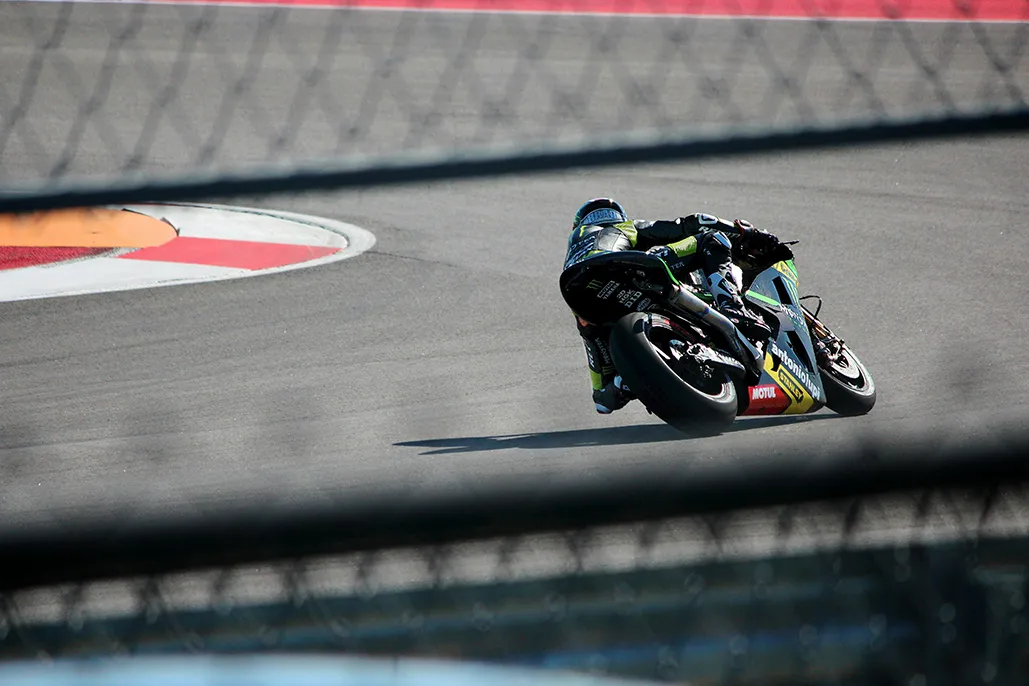
Aerodynamics has become one of the most influential performance factors in modern motorcycle racing. Wind tunnel engineering allows teams to analyze airflow behavior at speeds exceeding 300 km/h, leading to the development of complex fairings and winglet configurations. These aerodynamic components generate downforce that stabilizes the bike under hard acceleration and braking, reducing front-end lift and improving corner-entry confidence.
The refinement of aerodynamic surfaces is an ongoing process, with teams constantly balancing drag reduction against stability gains. Even marginal improvements in airflow efficiency can translate into measurable lap-time advantages, particularly on high-speed circuits where straight-line performance and braking stability are decisive.
Tire Compound Evolution and Performance Windows
Tire technology has evolved into one of the most delicate performance variables in motorcycle racing. Modern racing tires are engineered to operate within narrow temperature and pressure windows, delivering peak grip only when conditions are precisely managed. Tire suppliers collaborate closely with racing organizations to develop compounds that balance outright grip, durability, and thermal resilience.
Teams use telemetry to monitor tire surface temperatures, internal carcass heat, and pressure fluctuations throughout each session. Riding style, electronic settings, and chassis balance all influence how quickly tires reach and maintain their optimal performance range. Mastering tire behavior has become a defining skill for championship contenders.
AI-Assisted Telemetry Analysis During Race Weekends
Artificial intelligence has transformed how teams interpret the vast volumes of data generated during race weekends. AI-assisted telemetry platforms analyze patterns across throttle input, braking force, suspension movement, and tire behavior, identifying performance correlations that might escape traditional analysis. This allows engineers to prioritize setup changes that offer the highest probability of improvement.
Machine learning models continuously refine their predictions as more data is collected, shortening development cycles between sessions. The result is a more efficient use of track time, enabling teams to arrive at competitive setups faster while reducing reliance on trial-and-error approaches.
Real-Time Data and Strategic Race Decisions
Live telemetry has reshaped race strategy by enabling teams to react instantly to changing conditions. Fuel consumption trends, lap-time degradation, and tire stress indicators are monitored in real time, allowing pit walls to communicate precise instructions to riders. Strategic decisions regarding pace management, overtaking opportunities, and defensive riding are now grounded in live performance metrics rather than intuition alone.
These performance analytics have also become valuable for fans who follow race trends or make informed predictions through the best betting sites in the UK, where understanding race data can influence smarter wagering decisions. Access to detailed performance insights has expanded the analytical dimension of motorcycle racing beyond the paddock.
Safety Innovations Driven by Technology
Technological advancement has significantly improved rider safety while preserving the intensity of competition. Data collected from crashes has informed the design of airbag suits, helmet aerodynamics, and energy-absorbing materials. Sensors embedded in bikes and protective gear provide detailed insights into impact forces and crash dynamics.
This information allows manufacturers and governing bodies to continuously refine safety standards, reducing injury severity and improving emergency response protocols. Technology has shifted safety development from reactive adjustments to proactive engineering solutions.
Technology Parity Across MotoGP, WSBK, and BSB
While MotoGP often serves as the pinnacle of technological experimentation, innovations quickly influence WSBK and BSB. Production-based championships apply racing-derived knowledge to commercially available motorcycles, creating a direct pipeline between elite competition and consumer products.
This technological parity ensures that advancements in electronics, aerodynamics, and materials benefit riders across all levels of the sport. The competitive ecosystem thrives on this exchange, reinforcing motorcycle racing’s role as a catalyst for broader industry innovation.
Fan Engagement, Analytics, and the Racing Ecosystem
The growing availability of race data has transformed how fans engage with motorcycle racing. Detailed lap charts, sector analysis, and performance trends are now accessible beyond professional teams. Enthusiasts analyze rider consistency, track-specific performance, and weather-adjusted results through best betting sites, adding an analytical layer to fan involvement.
Modern motorcycle racing has become an interactive data-driven experience, where spectators engage not only with speed and spectacle, but with the underlying performance metrics that define success. This evolution has expanded the sport’s appeal, blending technology, competition, and informed fandom into a single racing ecosystem.