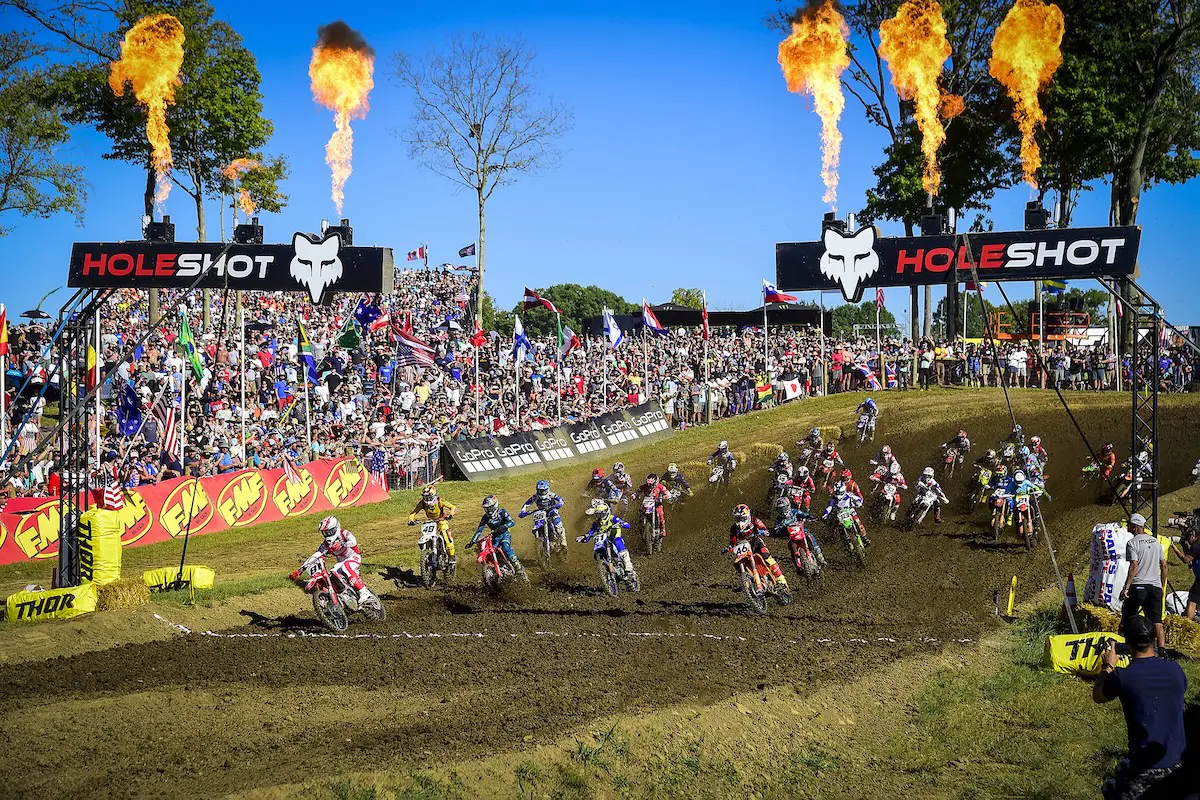



MotoGP has always sold itself on speed, noise and risk. That will not change. But the next phase of the sport is being shaped by something quieter: control.
The riders who look strongest now are not only the ones who can attack a corner harder than everyone else. They are the ones who know when not to. They manage tyres, fuel maps, track position and pressure. One wrong lap can ruin a race before the cameras even catch the mistake.
That is part of what makes MotoGP so tense to follow. Fans watch practice, qualifying and sprint races for small signs of form, while betting sites often frame the weekend around lap pace, grid position and recent track records. But the real story is usually more complicated than that.
Why MotoGP Feels So Tight Now
Modern MotoGP bikes are brutal machines. They are faster, sharper and more technical than ever. The margins are tiny. A rider can be first on Saturday and nowhere on Sunday if the set-up misses by a fraction.
Aerodynamics have changed the way races feel. Overtaking is harder in some places. Clean air matters more. Track position has become a weapon. That means qualifying is no longer just a warm-up for race day. It can shape the whole weekend.
Modern Classic Motorcycle News - Kindle Edition
The sprint format has added another layer. Riders no longer have the luxury of easing into a Grand Prix. They need pace straight away. They need confidence from Friday. A poor opening session can leave a team chasing the weekend.
The Rider Matters, But So Does the Garage
MotoGP still belongs to the riders. No engineer can brake at 220mph into a corner. No data sheet can save a rider who loses the front end at full lean.
But the garage has never mattered more. Teams now work through huge amounts of data between sessions. They adjust electronics, tyre plans and engine braking settings with little time to spare.
That creates a different kind of pressure. A rider must explain what the bike is doing. The crew must translate that feeling into changes. If that link breaks, the weekend can fall apart.
The best teams look calm even when things go wrong. They do not chase wild changes. They work through the problem. That patience can decide a podium.
Tyres Are Still the Hidden Story
Most races are not won by the fastest rider on lap one. They are won by the rider who still has grip with five laps left.
Tyre management is not defensive riding. It is race craft. A rider has to know when to push, when to sit behind another bike and when to attack before the window closes.
This is where experience shows. Younger riders may have raw pace. They may be fearless in traffic. But a long race asks different questions. Can they keep the rear tyre alive? Can they stay calm when the front starts moving? Can they pass without overheating the rubber?
The answer often decides who stands on the podium.
Why Street Circuits and Classic Tracks Feel Different
Some tracks reward bravery. Others reward rhythm. The best riders understand that each circuit asks for a different version of themselves.
At fast, flowing tracks, confidence through the middle of the corner can build a gap. At stop-start circuits, braking stability and exit drive matter more. At narrow tracks, qualifying becomes critical because passing is so difficult.
Weather can change everything. A cool track can help the tyres. A hotter surface can punish aggressive riders. A damp session can give a smaller team a rare chance to disrupt the order.
That unpredictability is part of the sport’s appeal. MotoGP may be technical, but it is never sterile.
The Human Side Has Not Disappeared
For all the data and technology, MotoGP still comes down to nerve. Riders have to trust the bike while knowing it may not forgive them.
That is why momentum matters. A rider who feels good on Friday often carries that belief through the weekend. A rider who crashes early can spend the next two days rebuilding confidence.
There is also pressure inside the team. Factory seats are limited. Young riders are arriving with pace and no fear. Established names know reputation only buys so much time.
Every race weekend becomes a public test. Not just of speed, but of judgement.
What Makes the Next Few Races Worth Watching
The next stretch of the MotoGP calendar should reveal who has real staying power. Some riders can produce one brilliant lap. Fewer can build a full weekend from first practice to the chequered flag.
Look for who manages the sprint without draining the tyres. Look for who qualifies well without overreaching. Look for who improves from Friday to Sunday. That is often the clearest sign of a rider and team working in sync.
MotoGP is still fast, loud and dangerous. But the smartest riders are learning that control wins more races than chaos. The throttle matters. So does knowing when to leave a little in reserve.
Watch, like and subscribe to our Youtube channel


* Disclosure: This page may contain affiliate links, which means I may earn a commission (at no cost to you) if you click on the link and make a purchase. Any money made goes straight back into the website and magazine. Your support is appreciated!