


The dream of every UK sportbike enthusiast often involves a ferry to the continent and a blast through the Alps towards Italy’s legendary passes and circuits.
Whether you’re carving up the Stelvio Pass, heading for a track day at Mugello, or joining the pilgrimage to a MotoGP race at Misano, the riding experience is unparalleled. However, this dream can quickly sour due to an unexpected encounter with the Carabinieri over a seemingly minor detail: your licence plate setup. Italy’s traffic laws, the Codice della Strada, are notoriously strict, and non-compliance can lead to hefty on-the-spot fines and even vehicle seizure, effectively ending your trip. This guide delves into the essential rules you must know.
Before you even think about fitting that sleek new tail tidy, understanding the specific legal framework is crucial. The regulations governing motorcycle number plates are detailed and rigidly enforced, leaving no room for interpretation on the roadside. The official Italian Highway Code for sportbike riders: license plate, tilt angle and lighting rules when touring or racing in Italy is not just a suggestion; it’s a set of mandatory requirements. For a granular breakdown of the specific legal texts, these Italian motorcycle license plate regulations offer an excellent technical reference, particularly concerning Article 100 of the Codice della Strada. Ignoring these stipulations is a gamble that rarely pays off, as Italian police are well-versed in spotting illegal modifications from a distance.
The Core Legislation: Understanding Article 100 of the Codice della Strada
The foundation of Italy’s licence plate enforcement is Article 100 of the Codice della Strada (CdS). This article meticulously outlines the requirements for the correct installation and characteristics of vehicle number plates. Unlike in the UK, where there can be some leniency, the Italian approach is black and white. The law states that the licence plate must be correctly positioned, fully intact, and clearly legible at all times. Any deviation, whether from an aftermarket part, damage, or dirt, can be grounds for a penalty. The fines are severe, typically starting in the hundreds of Euros, but the real threat for a touring rider is the potential for vehicle confiscation for up to three months. This isn’t just an inconvenience; it’s a logistical nightmare that can strand you and your bike abroad. This strict enforcement is why understanding the specific Italian Highway Code for sportbike riders: license plate, tilt angle and lighting rules when touring or racing in Italy is absolutely essential before your tyres even touch Italian tarmac.
“The Carabinieri don’t care about your aftermarket tail tidy’s aesthetics; they care about seeing the plate clearly from a set distance. For them, it’s a simple matter of compliance or confiscation.”
The 30-Degree Rule: Plate Tilt Angles and Visibility
One of the most common reasons UK riders get pulled over in Italy is an excessively angled licence plate. Many aftermarket tail tidies are designed to give the bike a cleaner, more aggressive look by tucking the plate up under the tail unit. While this might look great, it almost certainly violates the CdS. The law is explicit: the licence plate must not be inclined more than 30 degrees from the vertical. This is not a guideline; it is a hard limit. The rationale is to ensure the plate is easily readable by speed cameras and police patrols. An officer can often judge the angle by eye, and if it looks suspect, they have every right to stop you and inspect it more closely. A plate angled at 45 degrees or more is a guaranteed fine. Before you leave, check your bike with a protractor if necessary. If your tail tidy is adjustable, set it to a compliant angle. If it’s fixed and non-compliant, you risk a serious penalty for the sake of aesthetics.
Modern Classic Motorcycle News - Kindle Edition
Plate Dimensions and Positioning: The 177x177mm Standard
Beyond the angle, the physical dimensions and placement of the licence plate are strictly regulated. For any motorcycle registered in Italy after 1999, the standard plate size is 177mm by 177mm. While your UK plate will have different dimensions, the key is that it must not be a reduced-size “show plate.” Using a smaller, non-standard plate is a flagrant violation that police will spot immediately. Furthermore, the plate must be the rearmost part of the motorcycle on the longitudinal axis. This means no luggage racks, cameras, or other accessories can protrude further back than the plate itself. It must be centrally mounted and securely fastened, without any frames or covers that obscure the characters or the national identifier. Any homemade bracket or modification that doesn’t meet these rigid standards is asking for trouble.
| Feature | Italian Legal Requirement | Common UK Aftermarket Modification |
|---|---|---|
| Tilt Angle | Max 30° from vertical | Often 45° or more for a “tucked” look |
| Plate Size | Must be official, full-size | Often smaller “show plates” |
| Position | Rearmost point of the motorcycle | Can be obstructed by luggage or cameras |
| Frame/Cover | None that obscure characters | Tinted covers or thick frames |
Illumination and Reflectors: ECE Compliance is Non-Negotiable
Proper lighting of the rear licence plate is another critical area of compliance under the Italian Highway Code. It’s not enough to simply have a light; it must meet specific European standards. The light source itself must be ECE-approved (indicated by an “E” mark on the lens) and must illuminate the plate with a white, non-dazzling light, making it clearly legible from a distance of 20 metres at night. This is where many integrated tail light units fall short, as their plate illumination can be an afterthought. Furthermore, Italian law mandates the presence of a separate, ECE-marked red reflector positioned below the licence plate. A reflector that is integrated into the main tail light assembly is often not considered sufficient.
When assessing your sportbike for an Italian tour, you must verify the following:
- Plate Light: Is it a dedicated unit? Is it ECE-marked? Does it produce a clear, white light?
- Reflector: Is there a separate red reflector? Is it also ECE-marked?
- Positioning: Is the reflector located beneath the licence plate, as stipulated?
Many popular tail tidy kits sold in the UK may not include an ECE-approved light and a separate reflector, making them instantly illegal in Italy. It is the rider’s responsibility to ensure every component is compliant.
Implications for Touring, Track Days, and MotoGP Trips
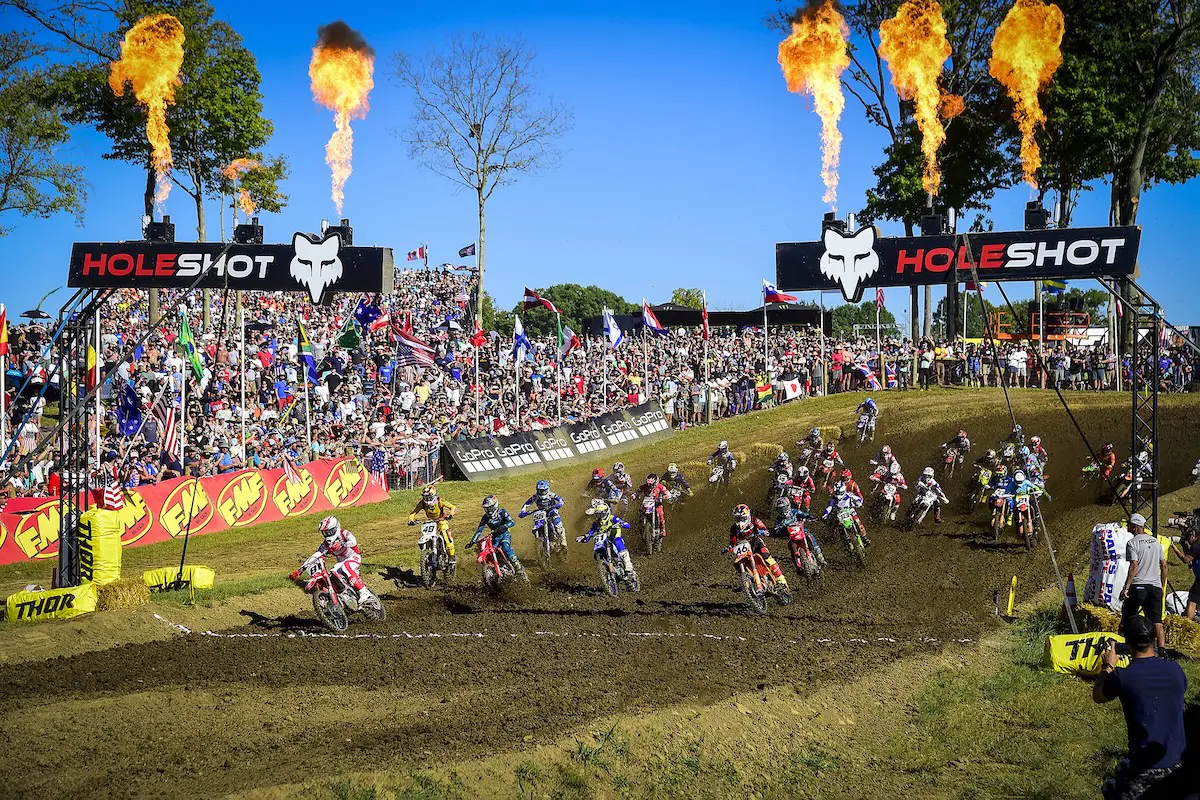
The context of your ride in Italy directly impacts the level of scrutiny you can expect. For general touring, compliance is paramount. You will be covering long distances on public roads, passing through numerous jurisdictions where police patrols are common. On famous mountain passes or scenic routes popular with motorcyclists, police presence is often heightened specifically to check for vehicle modifications, noise violations, and licence plate irregularities. When planning your route, assume you will be inspected at some point. For those heading to a track day, the rules still apply for the journey there and back. If you are riding your bike to the circuit, it must be fully road-legal according to the Italian Highway Code for sportbike riders: license plate, tilt angle and lighting rules when touring or racing in Italy. The moment you are on a public road, you are subject to the CdS. If you are transporting your bike in a van or on a trailer, road legality is not an issue until you decide to take it for a spin outside the circuit. Finally, travelling to a major event like a MotoGP round at Mugello or Misano means riding into an area with a massive police presence. Law enforcement agencies use these events to conduct widespread safety and compliance checks, and a non-compliant UK-registered bike is an easy target. Don’t let a preventable fine ruin your race weekend.
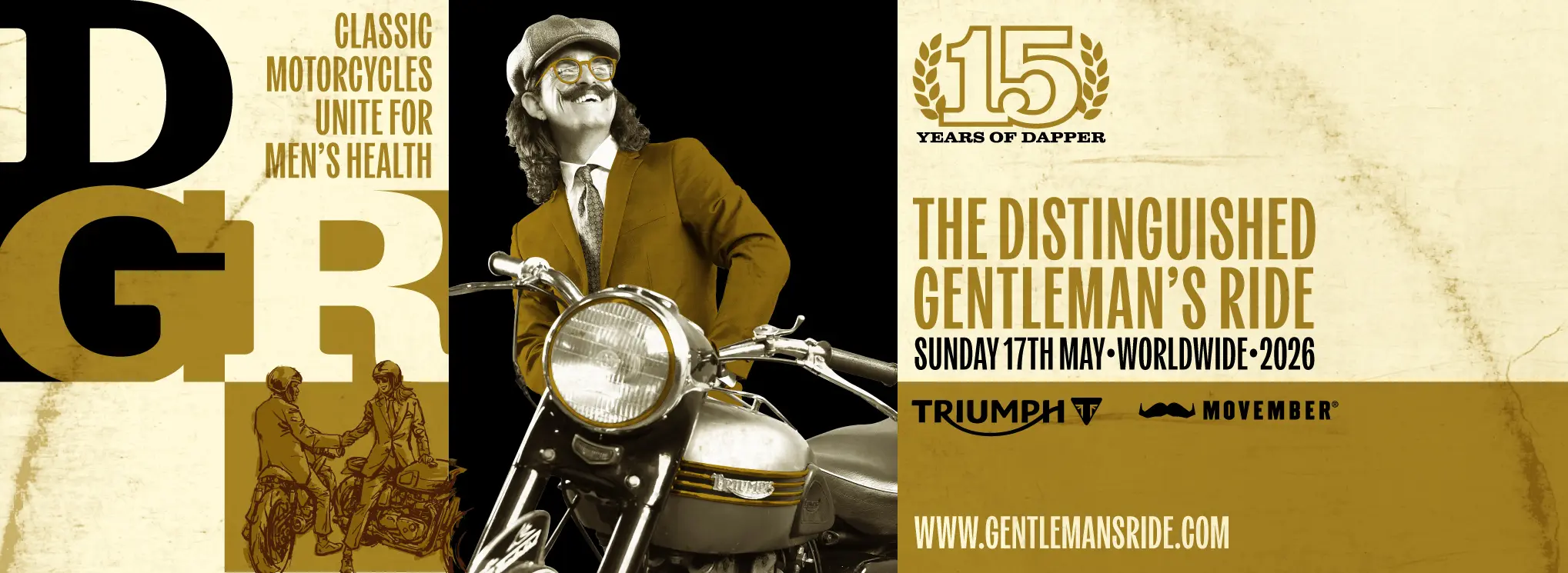
Our team is proud to announce our participation in the 2026 The Distinguished Gentleman’s Ride, a globally celebrated event that unites riders with a shared passion for classic, modern classic and vintage motorcycles while supporting vital men’s health causes.
Please consider donating small or big here by clicking the banner below or head to: https://gfolk.me/frankduggan
Watch, like and subscribe to our Youtube channel
👍 Like | 💬 Comment | 🔔 Subscribe for more modern classic motorcycle content